The Best Cars for Long Haul Trips Taking a long road trip is the perfect adventure; it allows you to explore a different city, town, and the great unknown while traveling at your own pace. Whether you plan on embarking on the road with family or friends, taking a long trip should begin before you even start the car by having a fully prepared vehicle.
It’s so much more than just fueling up the tank – a bit of vehicle maintenance, having the right supplies in the trunk and planning the journey ahead can go a long way in making your long distance road trip as smooth as possible. Here is a complete guide of what every driver needs to do prior to embarking on an adventure on wheels.
Inspect Your Tires
Tires play one of the critical roles in the safety of your vehicle. Before heading to any trip, make sure that you are maintaining the recommended tire pressure as mentioned by the manufacturer. Driving under or over inflated tires is very dangerous, and can make your car more efficient and safe.
The tread on your tires should be checked for damage like cracking and unusual wear and tear. Also don’t forget to check your spare tire’s condition and inflation.
Read: Private Fly Rental In India – How Much Does It Cost?
Check Engine Oil and Other Fluids
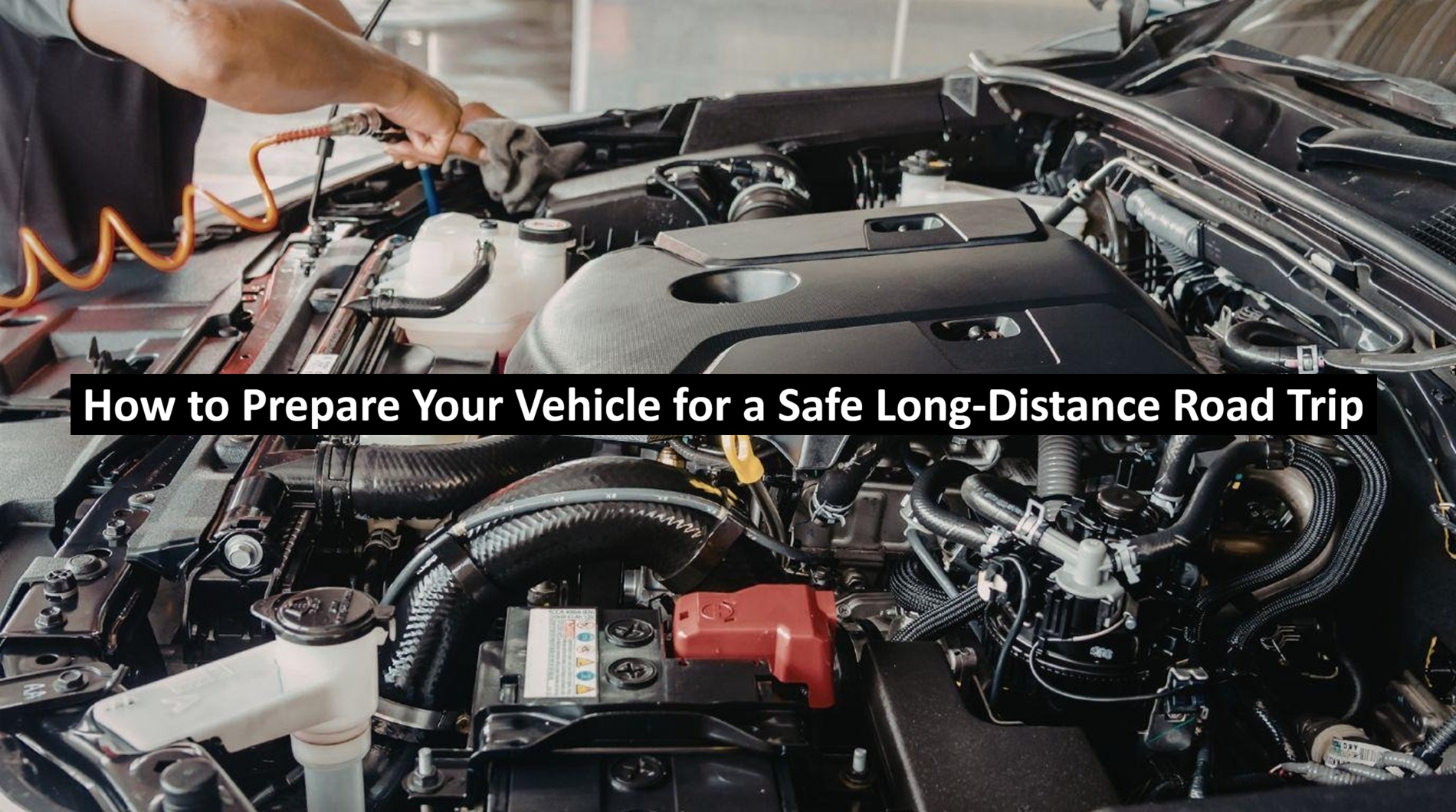
Engine Oil The engine oil provides a lubrication that is helpful in minimizing friction in the engine’s internal parts. Just before a long distance drive, make sure that you do a dipstick test of the oil and refill if required. Old and used engine oil would not help improve the functioning of the engine.
Along with oil you should check all fluid level in your engine that includes Coolant,Brake fluid, Transmission fluid, Power steering fluid andWind shield fluid and if everything fine then mechanically no problem will occur while riding a motorcycle.
Test the Battery
It is very unpleasant when the car is stuck in a few hundred miles from home because of a weak battery. If you have a battery that’s few years old, or have indications of an imminent death, test your car battery. Remove the corrosion, that has built up around your terminals, and be absolutely sure that everything is tight, all in good condition and ready to go.
It is always easier to change an old battery in advance than to face a car breakdown somewhere during a trip, especially if you have planned to go far away.
Inspect Brakes
Take into consideration that your brakes are probably some of the most important systems for safely traveling the highway and navigating mountainous regions. Don’t miss out on any rattling noises or feelings, make sure your brakes are responsive. When these kinds of issues are noted, consult your mechanic to have them checked prior to driving.
Check Lights and Wipers
Check your lights It’s essential to ensure that your headlights, brake lights, turn signals, fog lights, and backup lights are all functioning. Good visibility will assist you and all other drivers safely travel along your path at night, and during inclement weather. Check your wipers You also need your windshield wipers in working condition to prevent a hazy and obscure travel path; get rid of worn out blades, and make sure that your washer fluid is at full.
Pack an Emergency Kit
Regardless of preparation, things happen. Having a simple emergency kit will help you handle common roadside issues with ease. The contents should include:
- First-aid supplies
- Flashlight and extra batteries
- Jumper cables
- Tire repair kit
- Portable phone charger
- Drinking water
- Basic tools
- Reflective warning triangle
If you can take any of these, these will definitely make handling of any roadside emergency much simpler before your mechanics arrive.
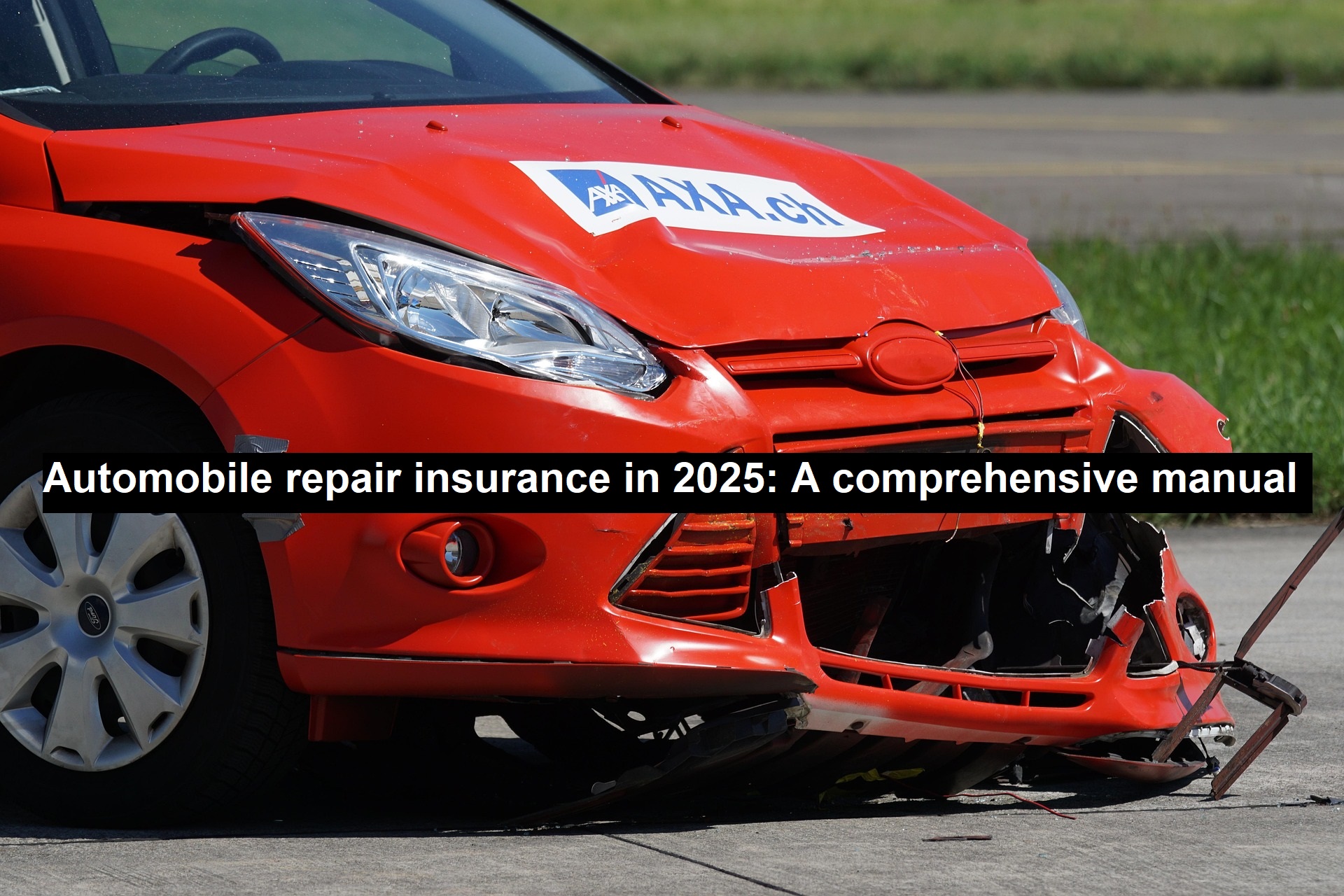
As well as packing a supply of emergency items it’s also essential that your car is correctly insured for your road trip. Understanding automobile repair insurance can help you prepare for Unexpected repair costs or road emergency costs in the event that the car is involved in a collision/damage. By obtaining the proper insurance, and the right kind of additional coverage, it would eliminate your financial worries, should your vehicle be in an accident while you’re out traveling.
Plan Your Route in Advance
Review your travel route ahead of departure. Note the forecast and local conditions, look up road, gas and rest stops, and check for construction delays or detours. Using offline maps with the GPS adds a safety net should your mobile reception falter. Setting up frequent, scheduled rest stops helps keep drivers more alert.
Avoid Overloading Your Vehicle
Overloading your vehicle causes stress to the frame, may reduce your fuel efficiency, put excessive strain on brakes, tires and other components of your car and lead to vehicle handling problems. Do not place too much cargo in one place of your car and do everything that it is secure and stable. The cargo is most stable and vehicle control most sure with the heavier items toward the bottom of the load. Check that your cargo weight does not exceeds the vehicle’s capacity.
Keep Important Documents Ready
Before leaving for your trip, gather the documents you’ll need; your driver’s license, insurance information, vehicle registration, roadside assistance, and emergency contact info. You’ll want them together if something goes wrong.
Drive Safely Throughout the Journey
Road trip preparation is not the only thing to consider for road safety, you also need to adhere to posted speed limits, remember to use your seatbelts and refrain from distractions on the road. Additionally, you need to ensure that you take short breaks every few hours; the more tired you get the more it affects your reaction times and this greatly increase the chances of you getting involved in a road traffic collision.
Conclusion
Do some pre trip car maintenance for your next big road trip can help you avoid unnecessary stops, breaks and improve safety. Here’s how to get your car ready: tires, fluid, brakes, battery, lights, and a road emergency kit can go along way to getting you and your passengers safely to your next stop and all the way to your final destination.
By following this advice with proper vehicle maintenance, as well as the selection of a proper route and good driving practices, you will have a lot more comfort and confidence while on the road. A little bit of planning before you leave will get a lot of good while on your way on your road trip.
Author’s Bio:
Lalit is a freelance content writer, blogger and digital marketer who strive to write articles which are informative, fun to read and easily understood by everyone. He loves to write about the topics such as Digital marketing, and recent vehicle roadside assistance market research.